Who is The Retail Majority?
Judging by retail media spending alone, one would easily conclude that American grocery purchases are concentrated in a few large chains. But the receipts tell a different story.
Amazon dominated U.S. retail media spending in 2025 by capturing approximately 79% of the total spend, according to EMARKETER. Walmart Connect and Target Roundel accounted for another 10% combined. Together, the three largest retail media businesses command nearly nine out of every ten dollars spent in the channel.
Now compare that with grocery, one of the highest-frequency areas of consumer spending. Numerator data shows Walmart accounted for roughly 21% of U.S. grocery sales in 2025, Costco another 8.5%, and Amazon and Whole Foods approximately 3% combined. Put them together and three of the most powerful retailers in America account for just one-third of U.S. grocery spending.
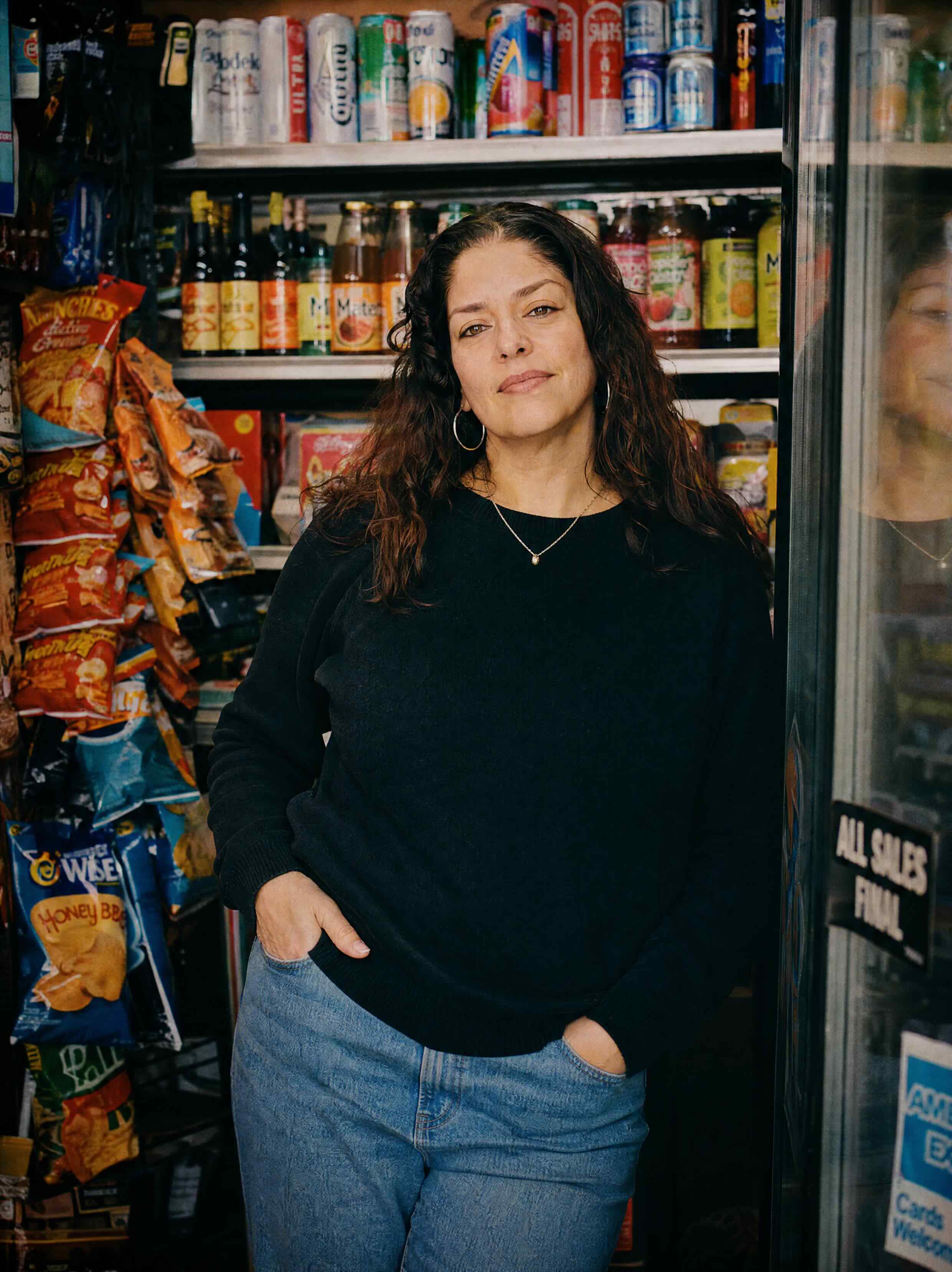
That leaves two thirds of the total grocery purchases occurring elsewhere. Most are happening across the Retail Majority: the independent retailers, regional chains, convenience stores, specialty stores, and local grocers that collectively account for an enormous share of everyday commerce. However they haven’t historically been accessible to marketers as a unified media channel.
For marketers, that gap between where retail media dollars are concentrated and where consumer dollars are spent represents a significant opportunity for incremental reach.
The purchases between the big purchases
The Retail Majority becomes easier to grasp when you look at the shopping occasions and habits these retailers serve. There are nearly 152,000 convenience stores in the U.S., according to NACS. The average location recorded nearly 1,500 transactions every day in 2025, generating more than $340 billion in annual in-store sales.
Many of those transactions happen between larger, planned shopping trips. A shopper stops for the gallon of milk they forgot, an energy drink on the way to work, a six-pack before a barbecue, a snack after school or an ingredient missing from tonight's dinner.
Those occasions give marketers access to consumers in different contexts and mindsets. A brand reaching someone during a weekly stock-up trip is participating in a different decision than one reaching a shopper solving an immediate need five minutes from home. Adding the Retail Majority to a media strategy therefore expands the range of purchase occasions a brand can influence.
Where shopping habits take shape
Frequency makes those occasions particularly valuable. Neighborhood grocers, convenience stores and specialty retailers often win customers because they are close, familiar and useful. Consumers return regularly, giving brands an opportunity to become part of established shopping routines. Many consumer categories depend on habitual purchasing. Beverages, snacks, household products and personal-care items are purchased over and over, often with considerably less deliberation than a major household purchase. High-frequency local retail puts brands close to those recurring decisions.
Physical stores also remain central to grocery spending even as online grocery grows quickly. FMI and NielsenIQ estimate that ecommerce accounts for about one-fifth of total U.S. grocery spending, leaving roughly 80% of grocery dollars flowing through brick and mortar locations. For marketers, that makes the physical retail landscape particularly important, including the thousands of independent and regional retailers that have historically been harder to reach through retail media.
Turning fragmentation into scale
The imbalance has a practical explanation. Large retail media networks gave marketers something fragmented retail historically couldn't: a straightforward way to buy large audiences and measure sales outcomes through a single partner. Conversely, reaching thousands of smaller retailers required thousands of relationships, systems and datasets.
Technology is removing that constraint. Connecting independent and regional retailers through common infrastructure gives marketers access to their customers and purchase signals at a scale that would have been impractical to do retailer by retailer.
That creates a new layer of opportunity alongside the major RMNs. Brands can maintain their presence with Amazon, Walmart and other enterprise retailers while extending their retail media strategies into additional stores, shopping occasions and consumer mindsets.
The Retail Majority describes the commerce that sits beyond the handful of large retailers receiving most retail media investment. For marketers searching for incremental growth, making the Retail Majority addressable opens a much larger view of where consumers shop, what they buy and where their habits are formed.

Advertising and retail media in one place.
Spend smarter, and get more from your stores.