First Party Data: The Gold Mine Under the Register
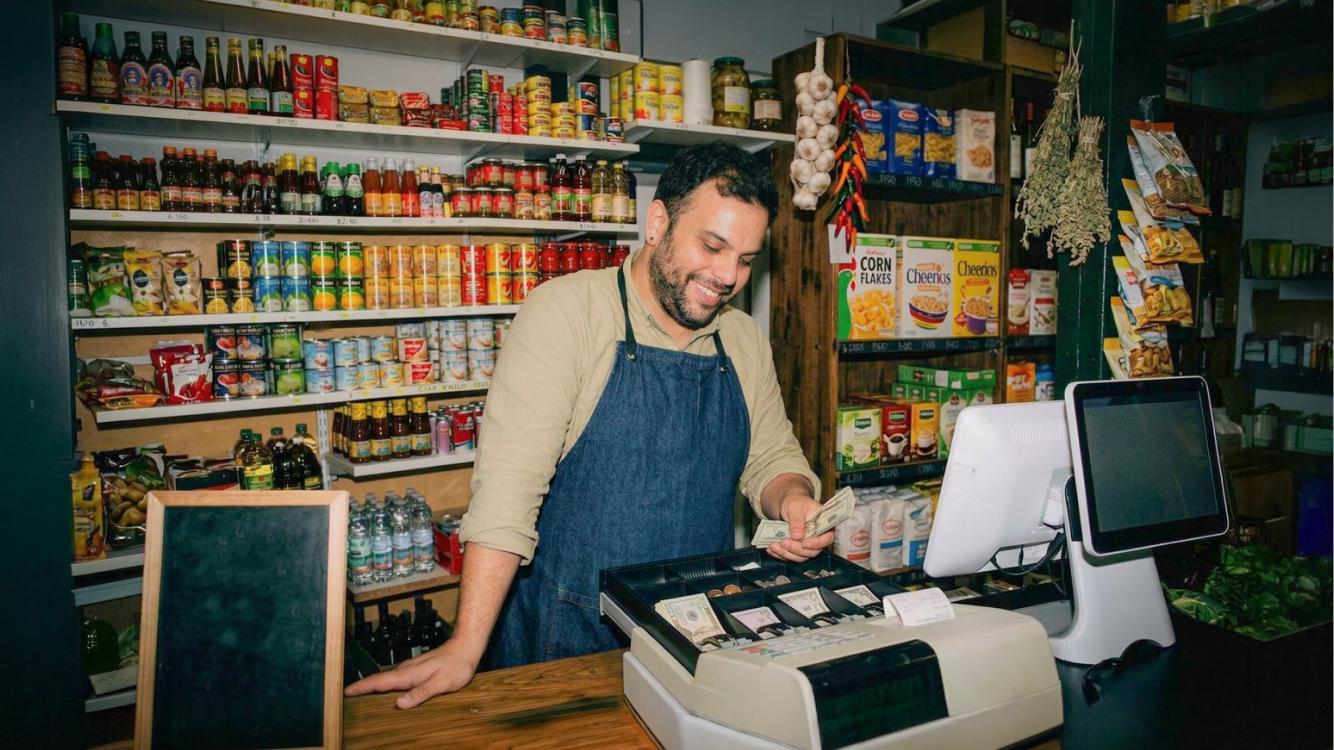
Each transaction at the register reveals a remarkable amount of information: location, date, time, items purchased, quantity, list price and any discount or coupon applied. And when shoppers identify themselves through a loyalty program, the transaction is connected to previous visits and purchases.
For retailers with digital channels, purchases can also be associated with app and website activity. Yet much of this data remains disconnected or is used only for specific functions like inventory management.
The real value emerges when retailers connect these signals. Together, they can improve customer service, strengthen supplier relationships and create new sources of revenue.
More than a receipt
POS data provides a clear view into the behavior behind a sale. Retailers see which loyalty members visit every week and which have not returned in months. They can determine whether a promotion brought a customer back, encouraged someone to try a new category or simply discounted a purchase that would have happened anyway.
Transaction data also reveals relationships within the basket. A customer who buys coffee in the morning may often add a breakfast item. A shopper picking up a six-pack of soda may also purchase snacks or ice. These patterns can differ by location, time of day, season and customer group.
Purchases not associated with loyalty members still have tremendous value. They show what sells in a particular store, which products move together, when demand peaks and how price changes or promotions affect category sales.
Retailers do not need to become data scientists to use this information. They need a system that surfaces the patterns and makes the opportunities easier to act on.
Better offers, better decisions
Connected first-party data makes promotions more relevant and accountable. Instead of sending the same offer to every customer, a retailer can reach shoppers who regularly buy the category, customers who may be ready to try it, or loyalty members who have stopped visiting.
The same data helps retailers evaluate what happened after an offer was delivered. Did it increase store visits, basket size, category trial, or repeat purchasing? Did it generate incremental sales or merely discount an existing purchase?
These insights can improve everyday decisions throughout the store:
- Which products to feature together
- Which offers are worth repeating
- Which stores or dayparts respond best to a promotion
- Which customers are at risk of lapsing
- Where inventory and merchandising can better match demand
Research published by the National Retail Federation found that consumers were 40% more likely to purchase from brands that tailor experiences to their needs. The research also emphasized the importance of a transparent value exchange around personal data. The lesson is straightforward: Relevance earns attention, but trust has to be maintained.
A stronger conversation with suppliers
Suppliers and brands want to know whether a campaign reached new buyers, drove repeat sales, increased basket size or performed better in one set of stores than another. First-party purchase data gives retailers concrete answers.
This shared view of performance helps retailers and suppliers build programs around actual shopper behavior rather than broad assumptions. It also helps retailers demonstrate the value of their stores, customers, and purchase occasions.
That is especially important for independent retailers and smaller chains. A retailer may have a deeply loyal local customer base and frequent transactions, but no organized data. When that happens, it’s difficult to demonstrate that value to suppliers at scale. Once the data is standardized and measurable, those same customer relationships can support stronger trade programs and new retail media revenue.
The cost of leaving data unused
Every sale is more than a transaction. It is a signal about a customer, a basket, a store and a shopping occasion. When those signals are responsibly connected, they improve retail decisions, strengthen supplier relationships and create additional value from the commerce already happening at the register.
When shopper data sits in disconnected systems and is only used for basic reporting, its value goes unrealized. Offers remain generic, promotions are harder to evaluate and supplier conversations rely on broad assumptions.
The point is not for every retailer to build a national retail media network on its own. It is to make verified purchase data usable in a way that protects customer trust and creates value for the retailer first.
Surfside connects independent and regional retailers through a shared system that standardizes purchase data, supports audience creation and media activation and measures results against verified in-store and online sales. This gives the independent retail operations access to capabilities historically only available to the largest retailers.

Advertising and retail media in one place.
Spend smarter, and get more from your stores.