Cannabis Predictions for 2022: It’s Time to Get Personal

In 2020, legal sales of cannabis hit a record of $17.5 billion - a 46% increase from 2019. In Arizona, where recreational cannabis was legalized just this year, annual 2021 sales are projected to hit $1 billion. More than 300,000 Americans work in the legal cannabis industry today and, with more recreational markets opening in 2022, it’s clear that the cannabis market is growing at a speed unmatched by most other industries.
Cannabis consumers have more options than ever. Today, businesses need to understand what consumers really want from the product: How do they prefer to consume? Do they want energy or focus? Relaxation or creativity?
The way cannabis “feels” for the consumer is just as important as everything else. Cannabis is a personal, end-to-end experience. Literally.
As Surfside looks to next year, we think that 2022 is going to be the most personal year yet when it comes to cannabis. With access to new products, brands, and dispensaries, every consumer will be looking for exactly the effect, format, and experience they want. It’ll be up to dispensaries and brands to figure out how to give it to them.
Here are our top seven predictions - and three predictions from experts in the cannabis space - about what’s going to happen in the cannabis market next year.
1. Effects-Based Advertising Becomes Fundamental.
A display ad for a sleep-aid gummy is wasted on a concert-goer looking for sativa gummies. So is an ad for a vape when it’s served to someone who only buys flower. To know the difference between your customers, you’ll need to know the data. If you already have customer data based on who buys what product, you have a good starting point to build lookalike audiences and advertise to similar buyers who want similar effects.
Effects-based advertising starts with data - and lots of it.
Next year, effects-based advertising is going to be crucial to driving customers to online menus and making the most of your ad dollars. This is a logical next step for the cannabis customer journey, given that dispensaries already offer effects-based ecommerce experiences. Consumers don't pick a product or a brand. They pick a feeling. You don't have to look further than Forage.io, a new buying experience from Columbia Care, to see the importance of "desired effects" in the customer journey.
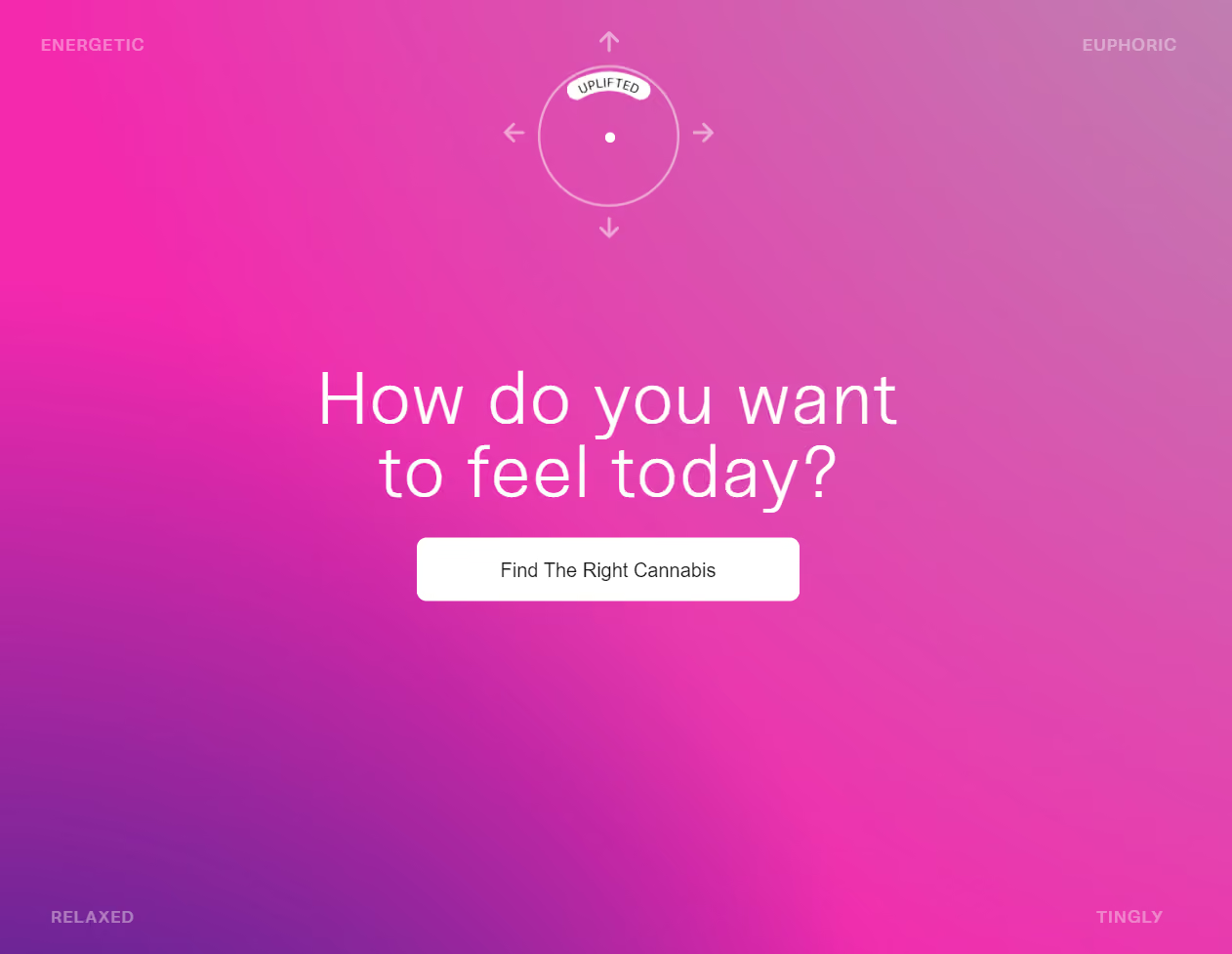
As your customer base gets more sophisticated, they’ll expect you to understand their different preferences, so you can guide them to the best product for their personal experience. To really succeed in driving sales, that process has to start before they even get in the door.
2. Advertisers Continue Adapting to New Privacy Regulations.
With the passage of the EU’s General Data Protection Regulation (GDPR) and California’s California Consumer Privacy Act (CCPA) in 2018, a new era of consumer privacy began. Next year will be no different. We expect new regulations around customer data to keep coming in 2022, especially around digital advertising and SMS.
Legislation around SMS has already started changing. States like New York classified text messaging as “telemarketing” this year, subjecting SMS marketing to new legislation. As carriers and governments look to regulate how businesses text consumers, there will likely be more guidelines emerging in the near future.
Next year will be a year of preparation, too. In 2023, Google plans to finally phase out third-party cookies for good on the Chrome browser, following Apple and Firefox’s lead. This will make first-party data a requirement for all digital ads going forward. Advertisers will need to have a direct relationship with the customer to show them ads. To keep up, cannabis brands and dispensaries will need to create new strategies around data management. We expect more teams to hire data experts from outside the cannabis industry to get serious about data hygiene in order to make sure they’re fully compliant with new regulations and making the most of their own data.
3. Brand Values Matter More than Ever.
When Jay-Z’s cannabis brand, Monogram, launched a cannabis advertising campaign, the team focused on building a brand around equity and change, instead of the product itself.
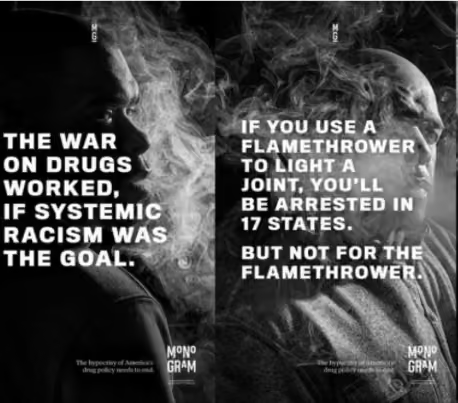
Source: Monogram Cannabis brands have focused on sustainability initiatives, equity, and giving back to the community. As brands work to break out beyond the dispensary shelf, we expect to see more big cannabis advertising campaigns focused on shared values and brand identity. The brands that win will have a vision and a mission that creates awareness and loyalty.
This is a great time for cannabis businesses to think hard about brand and ask: what do we stand for?
4. Consumers Become More Educated on Cannabis Choices and Low Dosage Becomes the New Entry Point.
As consumers get comfortable with purchasing cannabis and visiting dispensaries, we expect to see the general knowledge level rise when it comes to the factors that matter to them, whether it’s dosage, strain, flavor, or pricing.
Dosage will become a leading indicator for new entrants in the market and low dosage cannabis will be the new entry point, regardless of product category. We will see more variations in dosage next year as dispensaries and brands compete to bring in more new - or return - cannabis consumers. By helping consumers scale up and experiment with more dosages, consumers will have more control on what works best for them and businesses can convert canna-curious consumers and build a new loyal customer base.
5. Cannabis Becomes a Leading Wellness Product.
The wellness market is worth an estimated $1.5 trillion. And, with 100+ documented applications of cannabis for everything from headaches to hypertension, cannabis is an easy fit for the wellness category. But that will mean the rest of the customer journey will have to be optimized for wellness consumers, too… a yoga instructor interested in THC-infused massage oil probably isn’t as likely to click an ad for pre-rolls.
Just like desired effects, the use cases for cannabis are personal. And cannabis advertising campaigns will have to reflect that in order to succeed.
6. Core Cannabis Product Categories See the Highest Loyalty and Revenue.
The THC beverage market is expected to become a $1 billion market by 2025. Infused spice blends promise to make food an even better experience. Oils are appearing in tea, honey, and more. So who will be a regular THC beverage drinker? Who’s going to be a gourmet chef of all things cannabis?
Next year is going to be an exciting time in cannabis, but we expect new entrants to have a hard time convincing cannabis consumers to try something new. Flower, vapes, edibles, and pre-rolls will keep their top spots at dispensaries. To break through the noise, advertisers for new product categories will have to look at the data first and see who’s most likely to try something new and stick with it. Each product will need a personalized, format-specific customer journey.
7. Consumption Lounges Remain a Niche Category.
While seven states have made consumption lounges technically legal, it’s only this year that Nevada has led the way in making it easier to actually open a lounge.
We predict that even though consumption lounges - at least in Nevada - are going to start opening, it will mark an interesting experiment for cannabis. With so much emphasis on curbside pick-up and delivery, we don’t think that consumption lounges will be able to attract regular cannabis consumers. Instead, they’ll become tourist destinations and have a hard time staying afloat in smaller markets.
Even though there may be consumption lounges next year, we think that the number of lounge-goers and cannabis consumers looking for a social experience will remain relatively small.
8. Emotional Connections Creates Customer Loyalty.
"The need to create an emotional connection with consumers will continue to be key to success in the cannabis industry."
-John Bowser, Target Media, President & CEO
9. Less Emphasis on Budtenders.
"The role of the budtender in dictating consumer purchasing will become less pertinent as the market continues to evolve with drive throughs and curbside pick-up becoming increasingly popular. E-commerce will continue to grow."
-Megan Fabyan Panameno, VP Marketing & Business Development, Cannavitive
10. Retail Tech is a Competitive Edge.
"The Retail Technology Stack will become the second most important competitive advantage outside of People Leadership."
-Shahbaaz Kara-Virani, Canadian Sales Leader, Dutchie
2022: The Year Cannabis Gets Personal
In less than ten years since recreational legalization, cannabis has transformed into an industry now valued at $61 billion in the US alone. That’s without federal legalization, which means cannabis consumption and purchasing habits change from state to state and, in some cases, from product to product.
Going into 2022, dispensaries and brands should have one mission above all to keep pace with the industry: make it personal. As long as you’re connecting with consumers with the experience and the feeling they’re looking for, they’re going to keep coming back. Because cannabis, at the end of the day, is personal.

Advertising and retail media in one place.
Spend smarter, and get more from your stores.